


Retinol Body Moisturiser
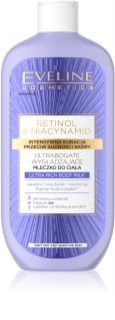
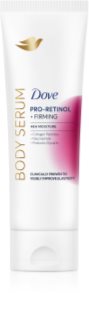

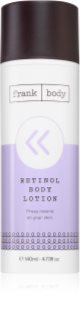
Retinol body lotion and body cream for radiant, smooth skin
Best known for its skin-renewing abilities, retinol helps skin feel smoother, look brighter and appear more even-toned. While this vitamin A derivative is considered a staple in facial skincare, retinol works beautifully on the body too, supporting fresher-looking skin from shoulders to toes.
Retinol on body skin
Because body skin is generally thicker and less sensitive, retinol body moisturiser formulas contain slightly higher retinol concentrations than facial products. They’re also cushioned with richer moisturising ingredients to ensure comfort, making them easier to use over larger areas without overwhelming the skin.
Retinol and body wrinkles
Retinol can help the skin look smoother and more refined by supporting a more even skin surface. With consistent use, a body moisturiser with retinol can help areas like the chest or arms appear more supple and firm.
Retinol and stretch marks
Many people enjoy using a retinol cream for stretch marks as part of their routine. A retinoid stretch mark cream can help the skin feel softer and look more even, giving stretch marks a smoother and more blended appearance over time.
Retinol and cellulite
Retinol isn’t a cure for cellulite, but it can help the skin look firmer and more refined. Try a retinol cream for cellulite on thighs or hips and give the surface a more even-looking texture with regular use.
Retinol and body acne
Retinol can support clearer-looking skin by helping prevent build-up on its surface – after all, it was first used as an acne-fighting ingredient. This makes retinol body lotions a popular choice for areas prone to body blemishes, such as the back, shoulders or thighs.
Choose your favourite consistency
The best retinol products for the body come in various textures, so you can pick the one that feels best for your daily routine.
- Retinol body lotion – lightweight, fast-absorbing and easy for everyday use.
- Retinol body cream – richer and more cushioning, perfect for drier areas.
- Retinol body butter – decadent and ultra-nourishing with a velvety feel.
Effects of retinol body treatments: Questions and answers
Can retinol body lotion reduce wrinkles?
Yes, a good retinol body lotion or cream can help skin look smoother and feel more elastic over time. But results always depend on consistency, concentration and your individual skin type.
Will retinol help turkey neck?
Yes, retinol may improve the look of texture and contribute to a smoother appearance of the neck, but it won’t tighten the area dramatically like a neck lift would.
Does retinol help crepey skin on arms?
Many people notice the skin looks more refined and less papery with continued use, especially when combined with regular moisturising.
How to use retinol body moisturisers: Questions and answers
Can I use retinol cream all over my body?
Yes, with the exception of intimate areas. Always start gradually with lower concentrations and apply a thin layer. Build up as your skin becomes comfortable.
Can I use retinol on my neck and chest?
Absolutely. But do introduce it gradually, as these areas can be delicate.
Can I use retinol on my arms and legs?
Yes, these areas usually tolerate retinol well, making them ideal for retinol body care.
Can I use retinol on my tummy?
Yes, especially if you want to improve overall tone or softness.
Where should you not apply retinol?
Avoid very sensitive spots (such as intimate areas), broken skin, or areas prone to irritation. If unsure, patch-test first on a very small area of skin.
Can I use retinol body lotion every day?
Daily use is possible once your skin adapts. Begin with a few evenings a week and increase as your skin becomes comfortable.
When to apply retinol body moisturiser?
Because retinol can make your skin sun-sensitive, only use retinol body products at night and apply a high SPF during the day to protect your skin. Do not use retinol when pregnant or breastfeeding.
Effectiveness of retinol body moisturisers: Questions and answers
Does retinol body lotion really work?
Many users see improvements in texture, clarity and overall radiance. Results vary but with regular use, results usually show.
What is the best retinol body lotion?
The best retinol lotion or cream depends on your skin goals and preferences. Whether you prefer something lightweight, deeply nourishing or targeted for concerns like uneven texture makes it hard to pin one product as “the best”.
How long does it take retinol body lotion to work?
You may notice softness within weeks, while visible textural improvements often take a bit longer. Patience and consistency are key.
Can I mix retinol into my body lotion?
We don’t recommend mixing cosmetic products at home. It’s better to use a professionally formulated product to ensure stability, compatibility and even distribution of the active ingredients.