

Catalytic Lamp

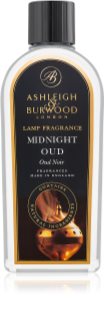





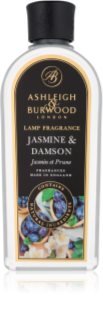
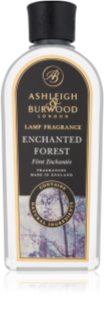
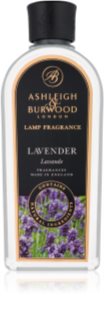
What is a catalytic lamp and why have one at home
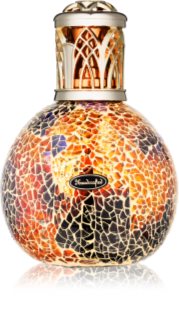
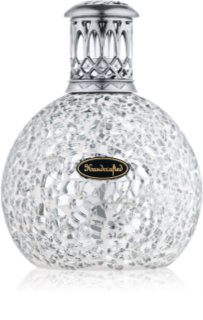
Catalytic lamps (also known as Berger lamps) are beautiful, often designer lamps that purify the air while also wonderfully fragrancing the interior. They work on the principle of catalytic combustion, so they can operate even without a burning flame. Their core consists of a container with an alcohol-based refill, a catalytic stone and a cotton wick.
Catalytic lamps originated in France as early as the late 19th century with the aim of purifying hospital air of bacteria and odours, as air purifiers as we know them today did not yet exist. They were invented by pharmacist Maurice Berger, who also laid the foundations for the company Maison Berger Paris, whose lamps remain among the most popular to this day.
In the 20th century, fragrant essences and decorative bottles were added to catalytic lamps, turning them into a decorative and aromatherapeutic element for homes, offices and wellness spaces.
What is a catalytic reaction?
A catalytic reaction is a chemical reaction accelerated by a catalyst (in this case the so-called catalytic stone, which is part of the burner). The stone remains hot even after the flame is extinguished, and so-called catalytic oxidation begins to occur around it, breaking down impurities and microorganisms. As air naturally circulates through the space, catalytic oxidation gradually purifies it.
What can a catalytic lamp do?
Today, the Berger lamp is a popular accessory in homes and public spaces because:
- It can help reduce the amount of microorganisms in the air – bacteria, mites or mould spores.
- It reduces odours from smoke, cooking and pets. It does not merely mask odours, but chemically breaks them down.
- It releases fragrance faster and more intensely than classic aroma diffusers, fragrancing even larger rooms.
- You can use it for aromatherapy and to create a cosy atmosphere.
- A catalytic lamp with a designer bottle also serves as a beautiful decorative element.
How effective is a catalytic lamp?
There are currently no detailed scientific studies on the effectiveness of catalytic lamps in domestic environments. However, there are tests by the brand Ashleigh & Burwood that suggest effectiveness against selected microorganisms in a laboratory environment:
| Microorganism | Description | Elimination after 30 minutes |
| Staphylococcus aureus (S. aureus) | Common skin bacterium; some strains can cause skin and wound infections | 99% |
| Escherichia coli (E. coli) bacteria | Bacteria commonly living in the intestines; some strains can cause infections and diarrhoea | 99% |
| Enterobacter aerogenes (E. aerogenes) | Bacteria found in the environment and intestines; may cause infections in immunocompromised individuals | 99% |
| Mites (D. farinae) | House dust mite; a common source of allergies | 99% |
| Stachybotrys chartarum (S. chartarum) | Toxic black mould that can form in damp spaces | 96% |
| Tobacco smoke – particles | Microscopic solid particles produced during tobacco combustion | 99.9% |
How to choose a catalytic lamp?
When choosing the best catalytic lamp for you, focus on the following criteria:
- Room size: The larger the room, the better it is to choose a larger lamp with a longer wick. A smaller lamp is suitable for a bedroom or study, while a larger lamp works better in a spacious living room, kitchen or open-plan areas.
- Design and material: Catalytic lamps are made from glass, ceramic or feature metal details. Here, your taste and the style of your home furnishings are what matter.
- Quality: The cheapest lamps may have less stable oxidation and a shorter lifespan of the stone.
- Safety and stability: Choose a lamp with a wider base and a lower risk of tipping over if you have risk factors at home, such as children or pets.
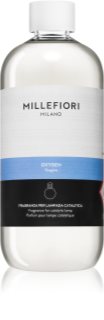
And how to choose a refill for a catalytic lamp?
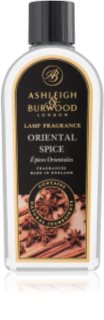
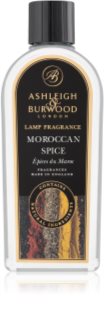
Refills for catalytic lamps offer plenty of options.
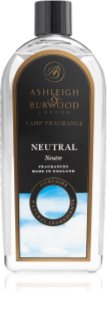
Neutral refills
Choose these if you primarily want to purify the air without fragrance. Ideal for people sensitive to fragrances.
Fragranced refills
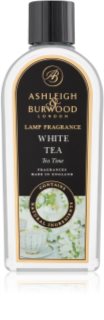
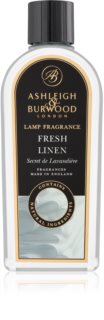
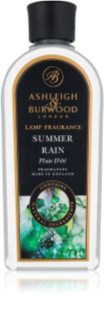
Choose your favourite fragrance according to your mood or the type of space. For example, lavender, vanilla or jasmine are suitable for relaxation, while citrus, mint or eucalyptus are ideal for stimulation. Woody and spicy scents help create a cosy home atmosphere.
Tip: If you are more sensitive to fragrances, avoid heavy perfumes and opt for gentle floral or citrus scents instead.
Can a catalytic lamp be harmful?
Catalytic lamps can have several undesirable effects if used incorrectly.
- When the alcohol-based refill is burned, small amounts of carbon oxides and trace aldehydes are produced, which can irritate the respiratory tract in unventilated spaces.
- In sensitive individuals, headaches, burning eyes or a feeling of “heavy air” may occur, especially when the room is over-fragranced.
- Pets also require caution – especially cats and birds can be very sensitive to certain fragranced ingredients.
- The lamp should not be used for too long. Manufacturers recommend limiting operation to 20–30 minutes (depending on room size and ventilation).
How is a catalytic lamp used?
Using a catalytic lamp is simple:
- Fill the lamp – place it on a flat surface and, using a funnel, fill it to a maximum of 2/3 of its capacity.
- Insert the wick into the catalytic lamp – when using it for the first time, wait 20 minutes for the wick to absorb the refill.
- Light the catalytic stone.
- After 2–3 minutes, blow out the flame – the stone remains hot and catalytic oxidation begins, purifying and fragrancing the air.
How do you extinguish a catalytic lamp?
Simply place the metal cap on the catalytic stone. This cuts off the oxygen supply and stops the reaction.
Fragrance and purify your home with a catalytic lamp! Browse the selection at Notino and choose the right one for you. A catalytic lamp set with a refill also makes a great gift.