


Acetone-free Nail Varnish Remover
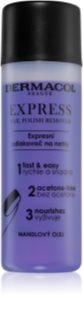

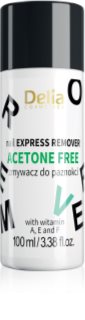
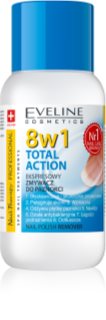
Should non-acetone nail varnish remover become part of your routine? Let’s find out!
If you love painting your nails often, or your nails tend to feel dry and fragile, switching to an acetone-free polish remover can make your at-home manicure feel much nicer.
What is acetone-free polish remover?
Acetone-free nail varnish remover is a gentler alternative to classic acetone-based formulas. Instead of acetone, it usually relies on milder solvents such as ethyl acetate or isopropyl alcohol to dissolve nail varnish. These ingredients remove colour effectively while being less harsh on the nail plate and surrounding cuticle skin.
Is it better to have acetone-free nail polish remover?
It depends on your needs. Nail varnish removers without acetone are ideal for regular use, natural nails and sensitive cuticles, but they do take a little more patience. If you often wear gel or heavily decorated nails, acetone may still be more practical.
Here are the advantages and disadvantages of non-acetone fingernail polish remover:
| Advantages of non-acetone nail polish remover | Disadvantages of non-acetone polish remover |
| Great for regular nail varnish and frequent use | Not as effective on gel, shellac, nail glitter or other hard-to-remove nail art |
| Less drying on nails and cuticles, suitable for sensitive skin |
Doesn’t work as quickly as acetone |
| Gentle option for brittle, dry or sensitive nails |
Requires more rubbing |
How to use acetone-free nail paint remover
Soak a cotton pad with remover and press it onto the nail for a few seconds. This allows the formula to soften the polish. Gently wipe from the base of the nail towards the tip. Repeat if needed, using fresh pads to avoid smudging colour onto the skin. Wash hands afterwards and apply hand cream or cuticle oil.
Q&A
Here are answers to common questions about acetone and acetone-free removers.
Does acetone ruin your nails?
Acetone doesn’t permanently damage nails, but frequent use can leave them feeling dry and rough. It removes natural oils from the nail surface, which may affect comfort and appearance if used often without thorough moisturising afterwards.
Why is acetone not good for nails?
Acetone evaporates quickly and strips moisture from nails and cuticles. This can make nails feel tight, look dull, or even hurt if they’re weakened. However, proper aftercare with hand creams and nail oils can help counter this effect – it just depends how sensitive your own nails are.
Is acetone carcinogenic?
No. Acetone is widely used in cosmetics and household products and is considered safe when used as intended.
What are the disadvantages of acetone-free?
The main drawback is efficiency. Acetone-free removers work more slowly and may struggle with long-wear or glitter polishes, meaning more time and rubbing are needed.
What is the best nail polish remover without acetone?
The best choice depends on your routine and preferences. Acetone-free nail polish remover pads are handy for travel, vitamin-enriched formulas add a caring touch, and extra-sensitive users can go for acetate-free nail varnish remover, which is even gentler than acetone-free. Choose one that matches how often you paint your nails and how delicate they are.