


Women’s diaphragms and condoms


Why and how to use a female condom or diaphragm
Hormonal contraception is not the only way women can take protection into their own hands. Have you ever tried diaphragms or condoms for women?
Diaphragms
A diaphragm is a flexible, shallow cup that protects the cervix from contact with sperm. It provides the most effective protection when combined with spermicidal gel. Simply fill the diaphragm with spermicide and insert it into the vagina like a tampon or menstrual cup – so that it covers the cervix.
The biggest advantages of a diaphragm
- It can stay in place for up to 24 hours, or up to 48 hours with some models. This allows you to play with your partner in a completely spontaneous way. You can also insert it immediately before sex.
- It protects you against pregnancy with up to 94% effectiveness, and yet it allows partners full skin-to-skin contact.
- A diaphragm is completely invisible once it is in place.
- It does not contain any hormones.
- With a little practice, you can insert it yourself in the comfort of your own home.
- A diaphragm can be used repeatedly. Depending on how often you use it, it can last between one and two years.
Disadvantages of a diaphragm
- It must stay in place for at least 6 hours after sex, otherwise there is a risk of unwanted insemination.
- A diaphragm does not protect against sexually transmitted infections.
- Insertion requires practice. It is advisable to speak to a gynaecologist about selecting the right size and practise inserting the diaphragm with them.
- It may not be effective for women who have already given birth.
Diaphragm or cap?
Something similar to a diaphragm is a cap – aka a vaginal diaphragm or cervical cap. A cervical cap has a distinctive rim, is held in place by a vacuum and is effective even without the use of spermicide. In contrast, a diaphragm has rounded edges and insertion is slightly easier; however, you must choose the right size (preferably on the advice of a gynaecologist) and always use spermicide with the diaphragm.
A female condom
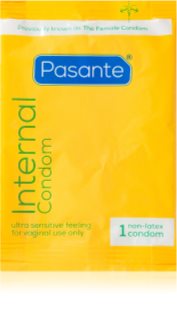
A female condom (or femidom) is very similar to a regular male condom, with only a few modifications to fit the female anatomy. It is larger and usually made of polyurethane, which is a very thin yet strong plastic that is not flexible. To protect the vagina effectively, a female condom has elastic rings at each end to hold it in place.
Using the inner ring, insert it into the vagina so that it forms a barrier along its walls. The outer ring stays outside the body and acts as an entrance for the penis.
The biggest advantages of a female condom
- Female condoms protect against sexually transmitted infections as well as unwanted pregnancy (with an effectiveness rate of up to 95%).
- Insert the female condom yourself before sex or up to 8 hours beforehand.
- It is effective even without the use of any other contraceptive devices. Nor does it contain any hormones.
- You can also use it during menstruation, pregnancy or shortly after childbirth (taking your health into account, of course).
- Women’s condoms are usually made of polyurethane, which is welcomed by anyone with an allergy to latex as contained in regular condoms.
Disadvantages of a female condom
- It is visible during sex and makes foreplay difficult if introduced beforehand.
- It prevents contact of the penis with natural vaginal secretions. This makes the use of lubricant gel necessary.
- You need to make sure that the penis does not enter the vagina outside the condom.
- If you do not insert a female condom at least 30 minutes before intercourse, it can make a disturbing rustling noise.
For both devices, always carefully follow the manufacturer's instructions on how to use the device correctly and which lubricant is suitable. While female condoms are disposable, diaphragms and caps need to be washed thoroughly before and after each use.
So, are you going to try a diaphragm or a female condom? Or take a look at the wide range of condoms, sex toys for couples and other sexual wellness products that you can find in the Notino sex shop section!