



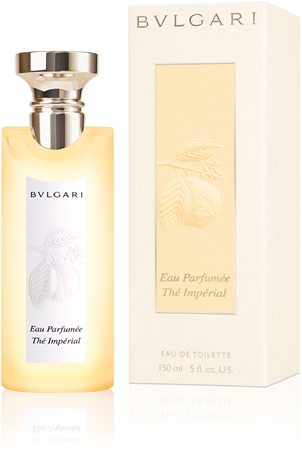






Description BVLGARI Eau Parfumée Thé Impérial
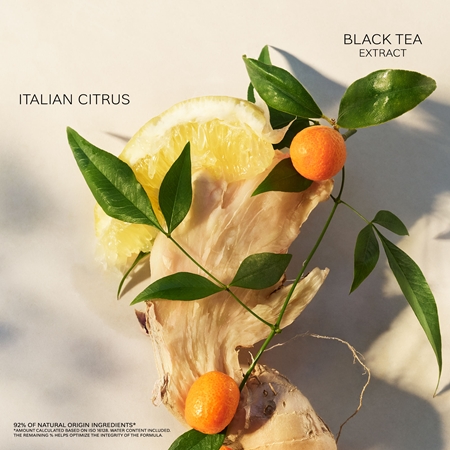
Top notes Top notes - They develop straight after you put the fragrance on. They create the first impression and tend to be quite intense, but not long-lasting. | Citrus Fruit |
Middle notes Middle notes - The heart of the fragrance comes out after a couple of minutes when the head of the scent fades away. These notes usually last around 2 to 3 hours. | Black Tea |
Base notes Base notes - The last and often longest part of the fragrance's evolution on your skin. Takes anywhere from 4 hours to over a day. | Musk |
| Fragrance category | citrus, aquatic, fresh |
| Concentration of the fragrance component | Eau de Toilette |
A journey to a world of imperial sophistication
BVLGARI Eau Parfumée Thé Impérial Eau de Toilette artfully intertwines the radiant, sophisticated accords of Sri Lankan black tea with the sparkling, sun-drenched notes of Italian citrus. Originally created for the discerning guests of Bvlgari Hotels & Resorts, this beloved scent is now available for all to enjoy, offering a luminous and uplifting sensory experience that is both memorable and deeply refined.
- a citrus, musky scent designed for men and women
- celebrating the world's most treasured ingredients
- crafted by Master Perfumer Jacques Cavallier
Composition of the fragrance:
A vibrant burst of Italian citrus opens the scent with sparkling energy, its zesty brightness instantly uplifting and sunlit. This lively introduction melts into the rich, aromatic depth of Sri Lanka black tea SFE extract, adding a warm, slightly malty sophistication with subtle tannic nuances. The contrast between crisp citrus and smooth tea creates a beautifully balanced composition, fresh yet grounded, like a golden afternoon infused with both vitality and quiet refinement.
The story of the fragrance:
Eau Parfumée Thé Impérial Eau de Toilette transports you to an era of grandeur, embodying the harmony of two great traditions where tea and citrus were treasures reserved for royalty. Its name evokes the majestic courts of the East, where tea symbolised enlightenment, and the opulent gardens of the Roman Empire, where citrus fruits represented radiance and prosperity.