

Toddler Cutlery
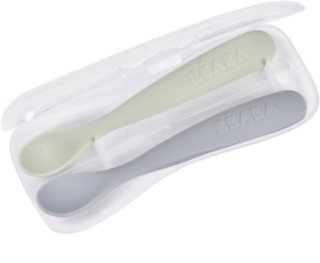
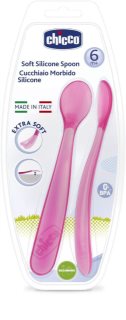
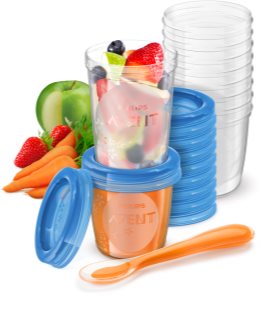
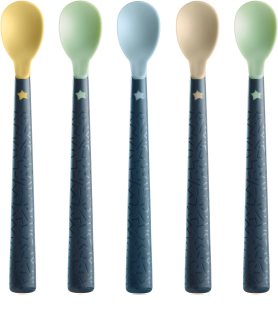
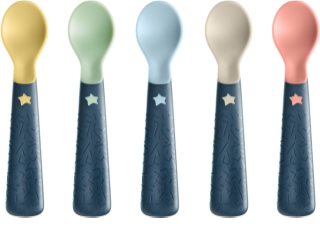
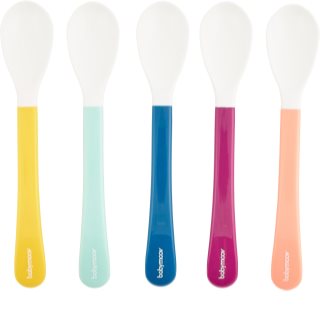
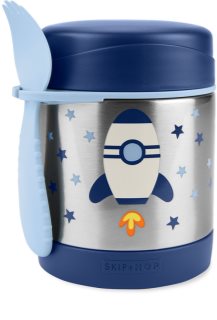
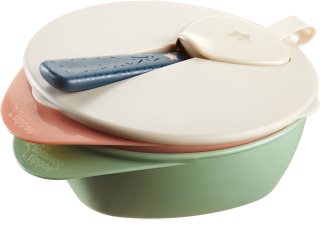
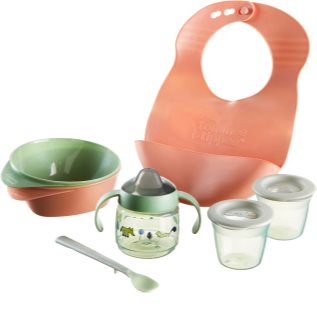
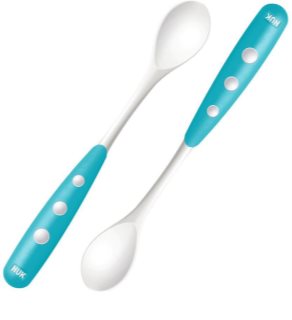
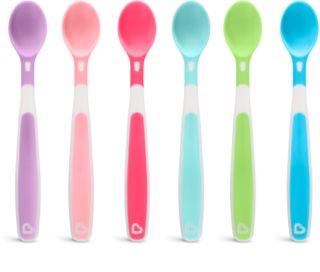
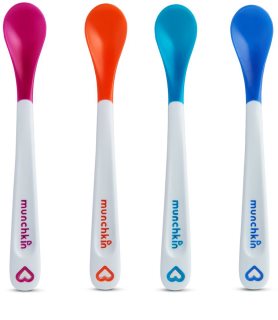
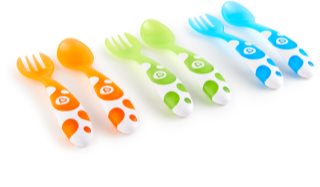
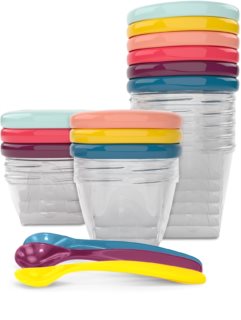

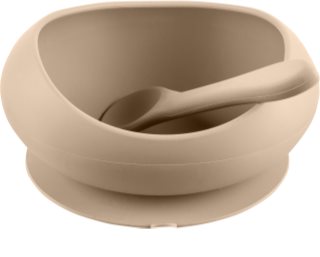
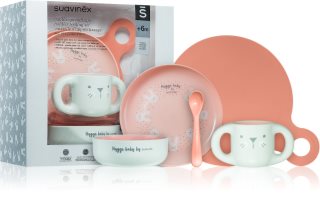
Properly selected first baby cutlery = Guaranteed success
Make dining with your baby easier and more enjoyable. Properly selected baby cutlery will be a useful and fun tool when practicing feeding.
Getting Started with Table Training
Children's learning cutlery is not only smaller, but also lightweight and shaped to fit comfortably in little hands and be easy to hold well. Toddler cutlery plays a very essential role in training eating habits and skills including fine motor skills. This is greatly aided by its size and shape, which make it easy to hold and handle.
What is the Best Cutlery for Little Ones?
What requirements does baby cutlery have to meet?
- High quality, safe and durable material.
- Ergonomic shape that fits into a child’s hand.
- Popular children’s motif.
- Easy maintenance.
Of course, it must be completely safe, durable, nonhazardous and easy to wash, whether it’s silicone, plastic or metal. Knives and fork tines must not be too sharp, so that the child does not get hurt. A child’s soup spoon is typically smaller than an adult’s.
The first spoon for a baby should be reasonably deep so that the baby can easily scoop the food and get some into their mouth. At the same time, the first cutlery for babies must be fully functional and robust enough to cut and pierce the food easily and a baby’s spoon, fork and knife should withstand rough handling and dropping.
Feeding can Also be Fun
A cheerful colour and a picture of your child’s favourite fairy tale character will definitely improve your little one’s mood and desire to learn to eat. Among the most popular children’s cutlery are ones with a motif of heroes from a TV series that children love, such as:
- PAW Patrol kid’s cutlery,
- Peppa Pig kid’s cutlery
- or timeless classics such as the Little Mole children’s cutlery.
Every Age Requires Different Cutlery
For Ages 1 and Over
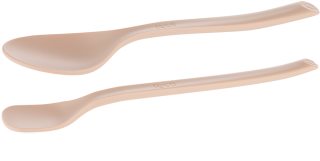
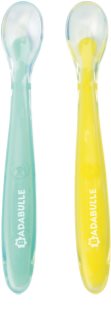
For children’s cutlery from 1 year, polypropylene or silicone cutlery for children is most suitable. The soft and flexible silicone and polypropylene are pleasant and safe for sensitive gums. Therefore, these materials are usually the ones first spoons for babies are made of.
Tip: Choose darker colours for silicone, as cooked carrots and beetroots stain significantly and unfortunately even the dishwasher can’t cope with it.
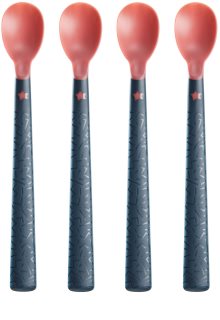
The icing on the cake is the temperature sensors on some baby spoons, which change colour to alert you when the food is too hot. Other baby spoons have curves that make feeding easier.
Cutlery for Toddlers Aged 2 and Over
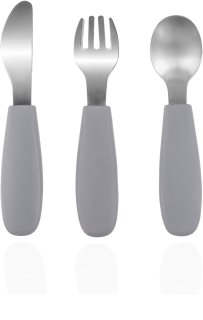
Children’s cutlery from the age of 2 is usually more robust. Children are also starting to use a fork and, in addition to plastic, children’s metal cutlery becomes suitable.
Cutlery for Children Aged 3 and Over
Children’s stainless steel cutlery is great to clean, but it’s just too heavy for little ones. It is therefore ideal as children’s cutlery from the age of 3 years, when the child already has the necessary strength and can manage both handling the cutlery and sitting at the table.
Children's Cutlery Set Always at Hand - Even on the Go
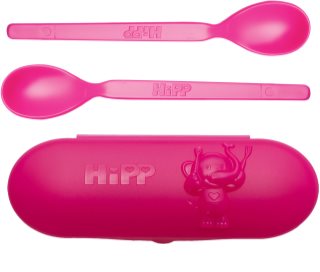
Do you travel often? Then take a look at the travel meal sets hygienically packed in an easy-to-wash case. If you use a dishwasher, make sure the children’s cutlery you choose is made of a material that is also suitable for this cleaning method.
So go ahead – choose your first children’s cutlery and get practising! Let’s get you and your children up and running. And maybe you’ll find some other children’s tableware handy too.