


Braces Toothbrush



Classic and Interdental Brushes for Braces
With braces, every tooth has lots of hidden nooks and crannies where plaque and food residues like to settle. A special toothbrush for braces makes it easier to clean around brackets and wires, shortens your time in the bathroom, and, most importantly, protects your enamel from white spots, cavities, and irritated gums. Orthodontic toothbrushes are soft, precise, and designed to make oral hygiene easier.
Orthodontic Toothbrush
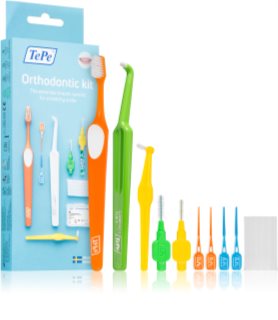
An orthodontic manual toothbrush has bristles in a V or U shape. The shortened centre gently bypasses the brackets, and the longer edges effectively clean teeth above and below the wire. The head is often smaller for easier handling, and the bristles are soft so as not to irritate gums. Compared to a regular toothbrush, it reaches the areas around the brackets easier.
Electric Toothbrush for Braces
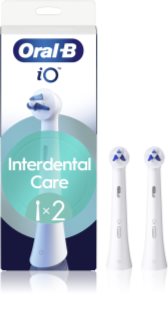
Rotary or sonic toothbrushes for braces have special orthodontic heads with a shortened centre, softer bristles, and often rubber elements for gentle contact with the brackets. The main difference from a regular electric toothbrush is in the design of the head and the cleaning technique – you guide the toothbrush along the wire and ‘go around’ each bracket in small sections.
Single-tufted Toothbrush for Braces
A single-tufted toothbrush has a small tuft of bristles, perfect for precise cleaning around the edges of braces, under wires, and along the gum line. Orthodontic versions usually have longer, extra-fine bristles and sometimes an angled neck for easier access. They are more precise and gentle than a regular solo toothbrush.
Interdental Brush for Braces
Interdental brushes for braces tend to have a thinner wire core, a smaller diameter, and are often ergonomically curved into an L-shape. This allows them to reach between teeth and under the wire, where a regular toothbrush cannot. Regular use can help prevent gingivitis and the formation of white spots around braces.
How to Brush Teeth with Braces?
With braces, thorough oral hygiene is even more important.
- Use an orthodontic brush for braces to clean the upper and lower edges of the wire (at an angle of approximately 45°). Thoroughly clean the outer, chewing and inner surfaces of the teeth.
- Use a single-tufted brush to circle each bracket.
- Use an interdental brush to clean the gaps and space under the wire.
- Rinse thoroughly.
How Often Should You Brush Teeth with Braces?
Ideally, brush your teeth after every meal, but at least twice a day. Interdental and single-tufted brushes are key, especially before bed. Replace your toothbrush (or its head) every 2 months or sooner if the bristles become frayed.
Choose an orthodontic toothbrush from our offer and give your teeth the best care even while wearing braces. At Notino you will also find toothpaste, mouthwash and dental floss for perfect dental hygiene.