Ammonia-free hair dye
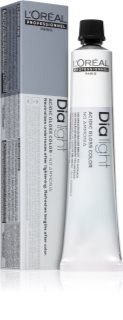
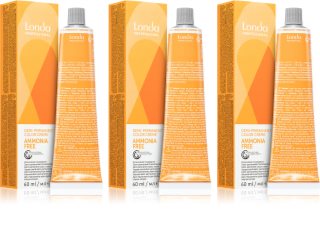
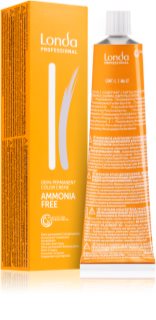
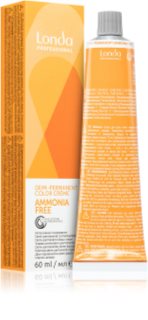
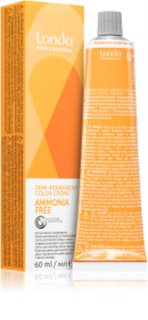
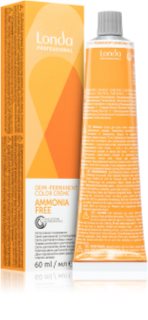
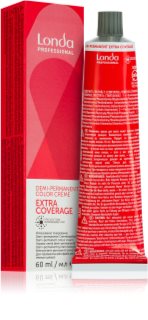
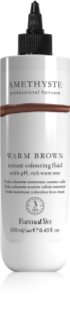
Dye with or without ammonia – what’s the difference?
Ammonia is an alkaline compound of hydrogen and nitrogen. In most hair dyes you can find it in the form of ammonium hydroxide. It is able to penetrate deep into hair fibres where it lightens and then dyes hair. Even though this ingredient is considered safe, it can cause skin irritation or an allergic reaction. A gentle ammonia-free hair dye therefore makes a great alternative!
What’s the difference between dyes with and without ammonia? Let’s look at the main pros and cons.
Hair dye with ammonia
Advantages:
- Ammonia causes a chemical reaction when in contact with hair cuticles. It makes your hair "more absorbent", so the dye sinks as deep as possible and stays rich for a long time.
- It also reacts with melanin (the basic colouring substance in hair and skin) thanks to which it helps lighten your hair.
- It effectively covers grey hair.
Disadvantages:
- Ammonia is unfriendly to hair and dries it out; in particular, repeated use can damage hair.
- It's a volatile substance which evaporates quickly as a colourless gas. It has a pungent, acrid smell that most of us are familiar with - whether from the hairdresser's or our own bathroom. If there is insufficient ventilation, it can sting your eyes, irritate the respiratory mucous membranes or trigger a coughing fit.
- May irritate, sting or itch a sensitive scalp, neck or ears.
Ammonia-free hair dye
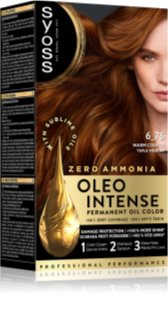
Ammonia-free hair dye replaces this compound with other substances such as resorcinol, diaminobenzene or monoethanolamine (MEA).
Advantages:
- Ammonia-free dyes are gentler on the scalp and hair itself.
- Your respiratory tract will not be affected by acrid fumes.
- They are almost odourless.
- In many ammonia-free dyes you can also find additional hair care ingredients (natural oils, plant extracts, vitamin E and more).
Disadvantages:
- The dye settles mainly on the surface of your hair, it does not go very deep. Therefore, it can be less intense and more quickly washed out.
- Ammonia-free dye is not very effective on grey hair.
- Most substances which can replace ammonia are still classified as parabens.
The best ammonia-free hair dye – take your pick!
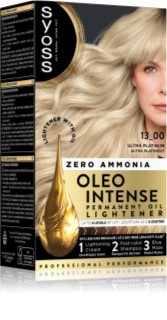
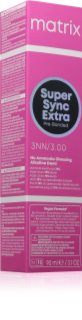
There are a variety of home and professional ammonia-free professional hair dyes, developed to do the best job possible with minimum damage.
- Permanent dye without ammonia – usually lasts for 6–8 weeks.
- Demi-permanent dye without ammonia – lasts for about 20 washes.
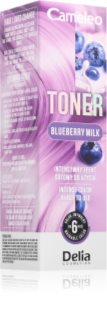
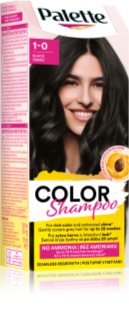
- Semi-permanent dye, also known as tint, without ammonia – lasts for 10 washes at most, you can expect a reduction in richness with each wash.
These figures are for guidance only. Many factors can affect how long your colour actually lasts - how often you wash your hair, what products you use and the quality of your hair itself (healthy hair usually holds colour better).
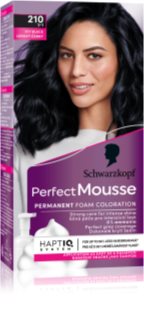
For easy application, an ammonia-free foam hair dye will come in handy. If you have a very sensitive scalp, an ammonia and peroxide-free dye, preferably natural, is a good choice for reviving your locks. If you have naturally light hair, a gentle tint without ammonia and peroxide is ideal for you.
Has a dark or blonde ammonia-free dye caught your eye? Choose the best ammonia-free hair dye or tint, and enjoy a rich shade and shine with minimal damage! Or, check out all the hair dyes in our wide offer.