
Hairdressing Scissors
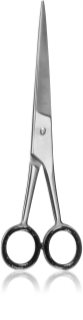
Hairdressing Scissors for Professional and Home Use
Treat your hair to a precise cut from the comfort of your own home! Today’s market offers a wide variety of hair cutting scissors, from classic hair scissors to thinning scissors to professional hairdressing scissors for left-handed people. Choose the correct ones and give your hair the care it deserves.
Why Is It Worth Cutting Your Hair with Special Scissors?
Hair scissors designed for hairdressers have sharp and precise blades that cut hair cleanly without damaging its structure. This means that your hairstyle will stay beautiful for longer, your hair will break less, and it will look healthier. On the other hand, cutting with regular office scissors can lead to hair breakage and split ends. If you want professional results, always use high-quality hairdressing scissors.
Types of Hairdressing Scissors
Different types of hair scissors differ mainly in how they are used.
- Classic hairdressing scissors are the basis for straight cuts. They have smooth, double-sided blades that cut hair cleanly. They are suitable for beginners and professional hairdressers alike.
- Hairdressing scissors with micro serrations have non-slip blades that grip strands better. They are perfect for straight cuts without the need for thinning.
- Thinning scissors (commonly known as hair thinning scissors) have serrated blades that make it easy to achieve an airy, layered cut.
- Hairdressing scissors for left-handers make work easier for left-handed people thanks to their special ergonomic design.
Tip: Hairdressing scissor sets are also practical, containing various types of hairdressing scissors, a cleaning cloth, lubricating oil, and a protective case.
How Should You Choose Hair Scissors?
When choosing, focus on:
- Material – Carbon blades are exceptionally hard and cut precisely, while stainless steel blades are precise and corrosion-resistant. Chrome-plated models’ strength lies in their shine and corrosion resistance. Titanium is mainly used in premium models, which are also hypoallergenic.
- Size – Smaller styling scissors (4.5 to 5.5 inches) are suitable for detailed work, such as cutting fringes or shaping contours. Larger blades (6 to 7.5 inches) are perfect for faster and smoother cutting, as they allow you to cut more hair at once or perform a sliding cut.
- Ergonomics – Finger rests, contoured handles, and balanced weight ensure comfortable handling of the scissors, helping to reduce hand fatigue.
- Purpose – For straight cuts, choose classic professional hair scissors; for thinning and shaping, choose thinning scissors.
- Centre screw adjustment option – This setting affects the stiffness of the cut and allows you to adjust the scissors to suit your working style.
Frequently Asked Questions
What are the best hairdressing scissors for beginners? Beginners will appreciate ergonomic scissors with adjustable resistance. These relieve strain on hands and ensure a more precise cut, even during longer periods of work.
What is a honed blade? A finely ground cutting edge without serrations. It allows for a clean, smooth, and precise cut, ideal for gliding techniques. Unlike micro-serrations, it does not tear hair, but cuts it smoothly.
What Are Thinning Scissors and How Do You Use Them?
Thinning scissors have teeth on one or both blades that remove only part of the hair and leave the rest. They are mainly used for:
- softening of transitions between lengths,
- thinning hair volume,
- creating a more natural look for your hairstyle.
How should you use thinning scissors correctly? When thinning hair, work in small sections. Always cut hair lengthwise. Never cut close to your head unless you want to create very short layers.
How Should You Cut Your Hair at Home?
High-quality hairdressing scissors allow you to cut your hair at home precisely and without damage. You can easily remove split ends, improve the overall structure of your hairstyle, and promote even hair growth. How can you do it?
- Wash and lightly dry your hair.
- Divide your hair into sections using clips.
- Always use hairdressing scissors for hair.
- Cut in small sections and check the symmetry.
- To soften the cut, you can then use hair thinning scissors.
How Should You Cut Thick Hair?
Thinning thick hair is best done with dry or slightly damp hair using thinning scissors.
- Divide your hair evenly into sections.
- Start with the bottom layer and work your way up.
- When working with thinning scissors, hold the blade at an angle to the strand for smoother transitions.
How Should You Sharpen Hairdressing Scissors?
Perfectly sharp blades are essential for precise cutting, so if they start to snag or tear hair, it’s time to sharpen them. Sharpening hairdressing scissors is a job for a professional, and sharpening scissors at home can lead to their destruction. However, if you decide to sharpen hairdressing scissors at home, follow these steps:
- Clean the scissors thoroughly before sharpening.
- If possible, separate them into two parts.
- Always use a special whetstone or professional scissor sharpener for sharpening.
- Hold the blade at an angle of about 45 degrees and use smooth movements to run the blade across the stone.
- Test the sharpness of the scissors on a small strand of hair; they should cut smoothly and without resistance.
You can find the best hairdressing scissors for home and professional use and everything you need for top-quality hair care at notino.co.uk.