
Exercise Balls
A gym ball: The unexpected key to strength, stability and zero back pain
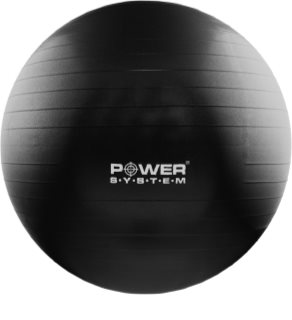
Exercise balls are a popular and often fun exercise tool that you see in gyms, rehab clinics and even in offices instead of chairs. This exercise ball, also known as a therapy ball or physio ball, gym or gymnastics ball, balance ball, Swiss ball, yoga ball or Pilates ball, can do much more than you might initially think. Come and find out if you can alleviate your back pain problems by exercising on an inflatable ball.
Where the gym ball came from
The history of exercise balls dates back to the 1960s, when an Italian toy manufacturer, Aquilino Cosani, produced the first “Pezzi Ball”, which was designed for rehabilitation exercises. The original intention was therefore more medical, but it soon became clear that these balls had a wider application in the field of fitness and sports.
Benefits of exercising with a ball
If you incorporate an exercise ball into your workout, you can reap the full benefits:
- Improving balance and stability: Working out with an exercise ball requires activation of the muscles in the middle of the body (called the core), which helps improve balance and stability. At the same time, a strong core contributes to better overall posture and reduces the risk of back injuries.
- Muscle strengthening: When you exercise with a yoga ball, some of the muscles that take care of your balance are constantly activated, which leads to strengthening muscles “you didn’t even know you had”, so you strengthen more muscles than you intended to.
- Increasing flexibility: Static stretching on an exercise ball allows the muscles to stretch more effectively.
- Rehab support: With their ability to strengthen muscles and improve balance, exercise balls are often used in the rehab process after injury or surgery.
- Fun and motivation: Gym balls add an element of fun to exercise. This can increase motivation and the desire to exercise regularly.
How to work out with an exercise ball
There are many different exercise ball exercises. Try some of the most popular ones:
- Planks on an exercise ball: Strengthen abs and back muscles, improve balance.
- Back stretches on an exercise ball: Release tension in the lower back and improve flexibility.
- Sit-ups on an exercise ball: Workouts for effective strengthening of the abdominal muscles.
Other than that, though, it’s great to use it as a sitting ball for a few hours. Yes, that’s right, sit down to work on a gym ball instead of your office chair. Sitting on the unstable surface of the balance ball requires activation of the muscles in the abdomen and around the spine that help maintain balance. It can also help reduce back pain and improve posture. Sitting on a ball requires active muscle participation, whereas traditional chairs enable passive sitting. Active sitting can improve your posture and stimulate the circulation, which helps maintain energy during longer sessions.
How to choose the right ball for exercise
Getting an appropriately-sized exercise ball is essential. You will find this by sitting on the ball with your knees and hips at a 90 degree angle. Ball manufacturers usually indicate the recommended size according to a person’s height:
- a 40-cm exercise ball is primarily used as an exercise ball for children
- a 45-cm exercise ball is usually recommended for people up to 150 cm tall and weighing up to 45 kg, and can therefore be used by larger children or shorter adults
- a 55-cm exercise ball is suitable for people between 150 cm and 165 cm tall weighing between 45 kg and 75 kg
- a 65-cm exercise ball will be used mostly by people between 165 cm and 180 cm tall and weighing between 75 kg and 90 kg
- a 75-cm exercise ball and 85-cm exercise ball are suitable for people over 180 cm tall and weighing over 90 kg
- a 100-cm exercise ball is designed especially for people over 185 cm tall with long legs
There are also smaller balls with a diameter of 18–26 cm, which can be used for Pilates and other types of weight training.
When choosing an exercise ball, you should also consider the strength and quality of the material to make sure it can withstand the demands of your activities.
Exercise balls for pregnant women
An exercise ball is suitable for everyone – for children, adults, and even for pregnant women. An exercise ball provides a number of benefits in pregnancy, such as strengthening the pelvic floor and abdominal muscles, which can help reduce back pain and support a stable core. Exercising on an exercise ball also promotes better balance and posture, which is especially important as pregnancy causes changes in body weight and can put pressure on the spine. Stretching your muscles during exercise ball workouts helps release tension and improve mobility, which you’re sure to appreciate when pregnant.
So if you are just looking for a way to exercise, want to spice up your existing workout or have a sore back, get an inflatable exercise ball and learn how to exercise and sit on it properly.
If you’re looking to create a small home gym, check out our dumbbells, resistance bands, ab wheels for core training and other exercise equipment.