

Sunburn
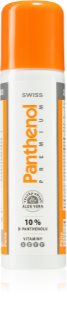
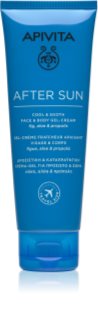
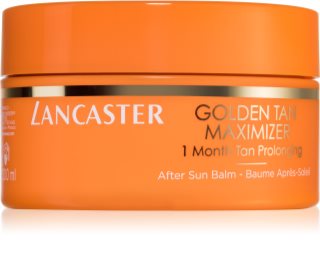
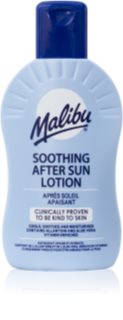
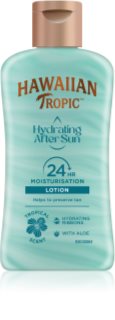
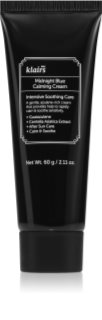
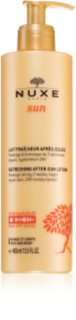
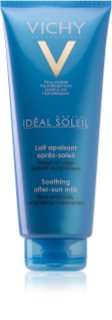
Sunburn leaves us with redness, unpleasant itching and occasionally even blisters. We all want to avoid it, but sometimes it happens to each and every one of us. Whether you got sunburnt in your garden, on a holiday by the sea or in the mountains, we know exactly how to help you and what the best ways are to avoid the same situation in the future.
3 degrees of sunburn
- Mild sunburn: The symptoms of skin burnt by the sun are mild redness, itching and discomfort. The skin is hot and sensitive.
- Medium sunburn: Apart from redness and discomfort, blisters also appear. The skin often cracks and peels off.
- Severe sunburn: The most serious sunburn is accompanied by severe pain, blisters covering large areas of the body and symptoms such as nausea, headaches, fever and chills.
Your skin will sadly never forget this sunburn and may be permanently damaged by it. Repetitive sunburn not only leads to premature skin ageing, but also increases the risk of skin cancer.
How can you treat sunburn
What are the best sunburn treatments? Take a look at some useful tips which can help you deal with the sensations of heat, pain and itching.
- Cool your skin down: First aid in the case of sunburn involves cooling your skin down. Apply a cold compress to the areas affected, or take a shower with lukewarm water. You can also spray thermal water onto your skin. It is best to avoid very cold or freezing water in order not to shock your skin.
- Get hydrated: Make sure you drink enough water as sunburnt skin may lead to dehydration. Drink at least two litres of water a day.
- Avoid scratching: Even if your skin is itchy and begins to peel off, do not scratch it. It will become even more irritated, and the regeneration process will be disrupted.
- Do not puncture or peel off sunburn blisters: Blisters protect the sensitive skin under them and help prevent infection. As soon as the new skin layer has developed properly, dead skin will fall off naturally.
- Lubricate your skin: High-quality creams can alleviate hot and itchy skin caused by sunburn. The worst will be best overcome with light milks, gels and foams with high water content. A cream which is too heavy and oily can stop skin cooling by not allowing it to “breathe”.
- Look after your scalp: A sunburnt scalp can be really painful. Apply a cool compress or a soothing gel. If possible, avoid hot hair styling until your scalp has healed – no hairdryer, no curling iron, no hair straightener. Do not use anti dandruff shampoo; it is better to choose a gentle baby shampoo.
- Prevent exposure to the sun: Protect your skin from sunlight until the sunburn has fully healed. If this is not possible, wear a wide hat and long sleeves, and use sun cream with a high SPF.
- Add more protein to your diet: In the case of sunburn, skin regeneration is also enhanced by a diet rich in protein which supports cell renewal.
- Get enough sleep: Sleep is crucial for regeneration, which includes skin renewal. Make sure you are getting enough rest.
- Cut your shower or bath time to as short as possible; avoid hot water which dries your skin out. Immediately after showering or bathing, apply cream to your skin to reduce the risk of it peeling off.
How can you prevent your sunburnt skin from peeling off?
Once skin gets sunburnt, it is very likely that it will also peel off. After all, this is part of the natural skin renewal process. If you stick to the advice above, you can minimise the damage.
What are the best cosmetics to help with sunburn?
Skin regeneration after sunburn is easier with the correct choice of cosmetics. These will bring you the relief your skin needs. Try:
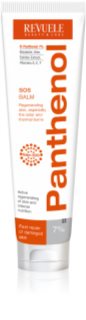
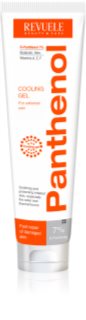
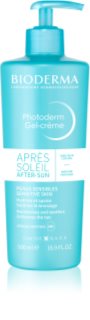
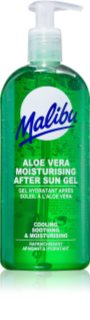
- Sunburn gels and balms: Soothing gels are great for insect bites and nettle rash as well as sunburn. They will cool your skin down and prevent itching.
- Sunburn cream: Usually disinfects the sunburnt area, speeding up its recovery.
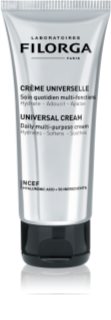
- Repair creams: Gentle and soothing repair creams help with a range of skin issues. Sunburn is definitely one of them. They soothe and regenerate skin, and also help with itching.
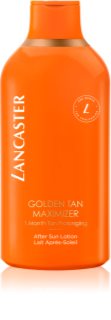
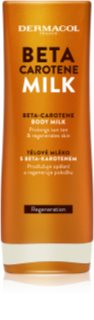
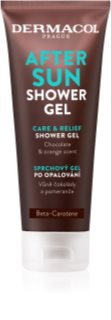
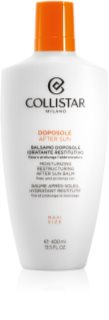
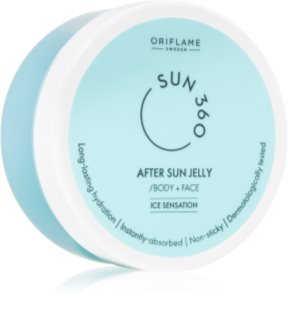
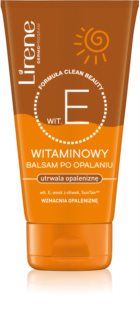
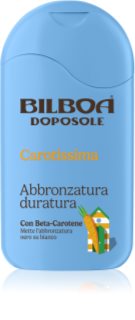
- After-sun care: Adequate for mild sunburn. These product regenerate, hydrate, and soothe. Some of them also contain ingredients that help the skin to bronze.
- Cannabis cream for sunburn: rich in nutrients which intensely hydrate and soothe your skin.
In cosmetics, look for the following ingredients that soothe sunburn:
- Aloe vera for sunburn: Use the ever popular aloe vera gel which soothes, refreshes and cools your skin. If you have an aloe plant in a pot at home, you can cut off a couple of leaves and spread the transparent pulp onto your skin, or blend it into a paste to apply like a soothing mask.
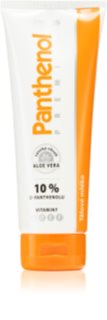
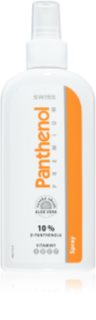
- Panthenol for sunburn: Panthenol, also known as vitamin B5, is an ingredient famous for its regenerative properties. It soothes sunburnt skin right away and alleviates the unpleasant sensations of burning and itching.
- Hyaluronic acid: Highly hydrating and perfect for locking moisture into skin, thus supporting its regeneration.
- Calendula: Calendula alleviates swelling and helps renew skin tissue.
How to treat sunburn: Home remedies
Our grandmothers’ advice is sometimes helpful as sunburn first aid. When you don’t happen to have specialised cosmetics handy you can use some of the contents in your pantry or fridge. For example:
- Natural yoghurt: Apply it to your sunburnt skin as a mask and leave it to work for about 15 minutes. Lactobacilli contained in the yoghurt soothe irritated skin and contribute to its hydration. Sour cream and cottage cheese have a similar effect.
- Tea bags: Try putting cold wet tea bags on your sunburnt face for a couple of minutes. Tea tannin is capable of reducing redness and soothing irritation.
- Oat bath: Your sunburnt skin will also appreciate an oat bath. Put crushed oat flakes into a cloth pouch and add it to a lukewarm bath. It will do a great job soothing your skin.
When should you see a doctor?
If severe pain, very large blisters, fever, vomiting or other serious symptoms appear, see a doctor who will refer you to a specialist if needed and prescribe you some medicine.
How can you avoid sunburn?
Prevention is the key to success. No matter how much you love the sun, you need to protect your skin. Follow our tips about how to avoid sunburn, and enjoy the sun’s rays safely.
- Use sun cream: Regardless of whether you are at the beach or just outside for a moment, it is important to use sun cream with a high SPF (at least SPF 30). Apply the cream at least 30 minutes before exposure to sun and remember to repeat it every two or three hours – especially after swimming or sweating intensively.
- Wear a hat and protective clothing: A hat with a wide brim will protect your face and scalp from getting sunburnt. Airy tops with long sleeves and trousers made of light materials will provide you with another layer of protection.
- Avoid exposure during peak sun hours: Sunlight is at its most intensive between 11 am and 3 pm. If possible, stay in the shade at that time.
- Use sunglasses: Don’t forget about your eyes and the sensitive eye area. UV-protection sunglasses shield your eyes from harmful UV rays.
- Stay hydrated: Sufficient fluid intake is key for your skin’s health. Water helps keep your skin elastic and more resistant to sun damage.
- Be careful near water and snow: Water and snow reflect the sun’s rays and increase the risk of sunburn. Remember to put sun cream on even in the mountains in winter.
- Protect sensitive areas from the sun: Ears, nose, lips, shoulders and scalp are particularly sensitive to sunburn. So, take extra care of them. A lip balm with SPF will do a great job protecting your lips.
Protect your skin and avoid inconvenience. If you do happen to get your back, shoulders or face sunburnt anyway, now you know how to treat the sunburn.