


Face Cream



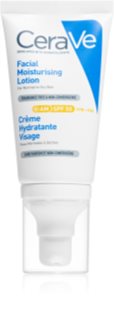
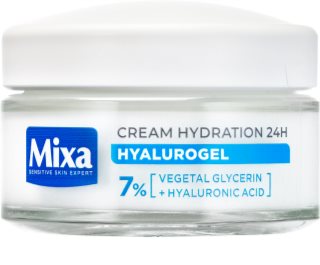
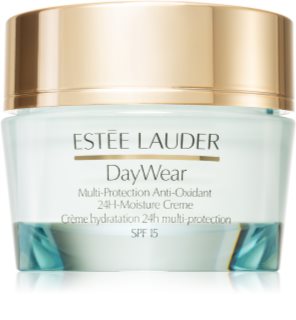
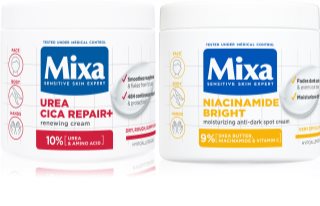
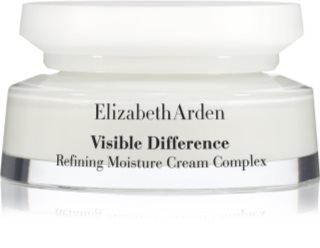
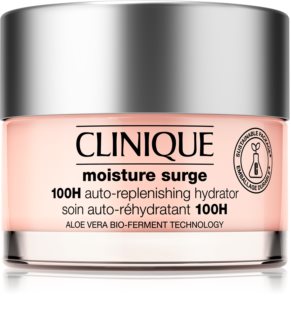

How to Choose the Best Face Cream
Dreaming of well-hydrated, smooth, balanced skin? Trying to slow down the appearance of wrinkles, get rid of acne, or just brighten up your skin? You need the right face cream!
The Best Face Creams by Skin Type
We classify various skin types based on their properties. We are all unique, and this is especially true when it comes to our skin, which is why it is important to choose tailored skincare products. Face creams are a great aid to achieving balanced and beautiful skin – you just need to know a little bit about them!
Skin Types by Sebum Production
Sebum, or skin oil, is a natural part of the biological processes of skin. It keeps skin supple and protects it from external influences. However, sebaceous glands do not always work exactly as we would like them to. In such cases, it is essential to find the best face cream for your skin type.
Dry skin
Dry skin does not have enough sebum. Typical signs include flaky skin and sensations of tightness, itching or stinging. Most often you feel this after washing your face. It's often prone to sensitivity and is easily irritated or tends to get red.
The best face cream for this kind of skin will be thick and nourishing, ideally oil-based. It can contain shea butter, ceramides, squalane or natural plant-based oils (e.g. almond, jojoba or avocado oil). The cream adds oil and elasticity to skin, and creates a protective layer which helps prevent it from drying out again.
This category often also includes dehydrated skin. While naturally dry skin lacks sebum, dehydrated skin lacks water (moisture). Necessary hydration can be provided by water-based face creams. Light hydrating ingredients such as hyaluronic acid, glycerine or aloe vera restore moisture. The right skincare will eradicate dehydration over time, and your skin will get back to normal.
Oily skin
Oily skin produces excess sebum. It looks shiny and often comes with blackheads, comedones and enlarged pores. However, its advantage is that it is usually not sensitive and is somewhat more resistant to wrinkles.
Many people think that naturally oily skin doesn't require a cream. Not true! Especially if you wash your face often or use gel cleansers or cleansing foams, you can dehydrate your skin easily. Sebaceous glands panic and, paradoxically, end up producing even more sebum.
The best face creams for oily skin should be light or gel-like, not oily and heavy. Ideally, choose a non-comedogenic face cream which doesn't clog pores. Ingredients such as niacinamide, zinc or hyaluronic acid give your skin necessary hydration without oiling it up. On the contrary, it will pleasantly refresh your face .
Combination skin
Combination skin is oily in some parts of the face and dry in others. The T-zone –the forehead, nose and chin area – is typically oily, and the cheeks tend to be dry.
The best cream for combination skin should balance both extremes. Light moisturising creams which hydrate the dry parts and don't burden the oilier T-zone are a great choice.
Skin Types by Sensitivity
Our skin has a natural protective barrier which prevents it from external impacts: cold, sunlight, wind or impurities. When the barrier is weak or disrupted, skin becomes hypersensitive. it reacts by redness, stinging and rashes.
- Healthy skin is resilient and irritation is rare. It is balanced and can tolerate even stronger active substances well. Anti-ageing facial creams with retinol or smoothing creams with AHA acids don't cause it any significant problems.
- Face cream for sensitive skin needs to be selected with more care. A hypoallergenic fragrance-free face cream with strong active ingredients is the ideal option. Look for ingredients such as allantoin, panthenol, centella or ceramides which help strengthen the skin barrier, or try a probiotic face cream which promotes microbiome balance and contributes to skin comfort.
Skin Types by Age
Your skin's needs change throughout various life stages. You should choose face creams accordingly.
- Young skin is elastic, smooth and often oilier. Put your trust in lighter hydrating creams without strong active ingredients. If blemishes appear, choose non-comedogenic products and acne creams.
- Mature skin loses elasticity and hydration. Fine lines, wrinkles and pigment spots appear. A firming cream for the face with bee venom, peptides, retinol or collagen is ideal. A face cream for pigment spots with vitamin C or niacinamide will help balance skin tone.
Women's and Men's Face Cream
Women's and men's skin differ slightly in their structure and needs. Men's skin is naturally oilier and thicker.
- Women's face cream is often richer in hydrating and nourishing ingredients.
- The best face cream for men is often lighter, quickly absorbed, and does not leave an oily film.
Day and Night Face Cream
Day cream and night cream have a different formula and purpose, and that's why it's good to have both.
- Day cream protects skin during the day and tends to be lighter. it is often a face cream with SPF.
- Night cream is thicker and more nutritious and promotes skin regeneration while you sleep.
- An universal face cream is suitable for demanding skin types or those who prefer a simple routine.
Face Cream for the Winter and Summer
The weather also affects the condition of your skin. In hot weather, it is often oilier, while cold weather dries it out and irritates it.
Summer
For summer, always choose a cream with SPF (if you don't use another form of SPF). It pays to protect against UV radiation even if you don't spend the whole day outside or if it's cloudy. If your skin gets oily in summer, go for a lighter, more watery cream in this season.
Winter
A winter face cream can be thicker than your usual cream. Even in winter it's recommended to use SPF, especially in the mountains. For a whole day spent outdoors, opt for a thick face cream for freezing weather which will protect your skin. Don't forget about winter face skincare for kids which will help protect your child's fine skin.
Frequently Asked Questions
How should you apply face cream correctly?
Apply it to your clean skin, ideally right after washing, when your skin is still a little damp – this will help lock hydration in better. Massage the cream in with gentle circular upward movements.
How much face cream?
That's up to you. Some prefer a thicker layer, others just lightweight application. It also depends on how easy the cream is to spread. Usually, a pea-sized amount is enough for your entire face.
How often should you use face cream?
Every morning and evening. If your skin is very dry or irritated, you can also use the cream during the day.
How long does face cream last?
Usually 6–12 months from opening it. Check the symbol of an open container on the packaging which specifies the shelf life.
High Quality Face Cream as a Daily Routine
Don't underestimate skincare. Use face creams every day. Cleanse your skin in the morning and apply day cream. Remove your make-up in the evening and use night cream. Regularity is the key to beautiful and happy skin. Choose popular and natural face creams at Notino!