

Coconut Oil
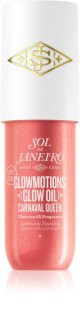
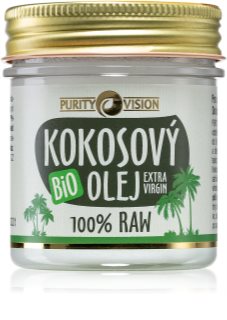
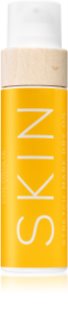

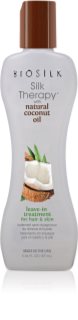
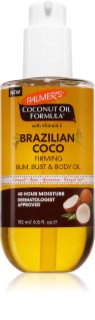
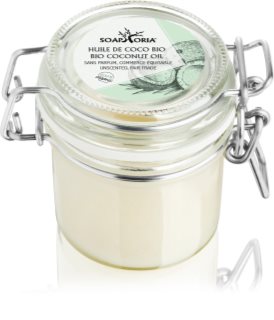
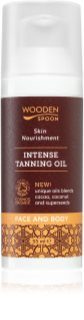
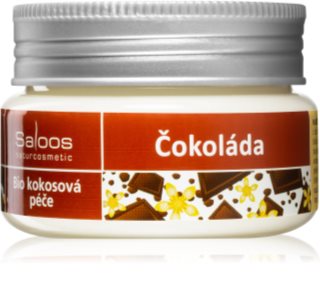
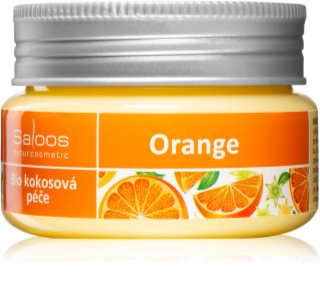
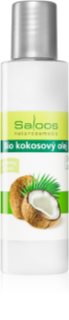
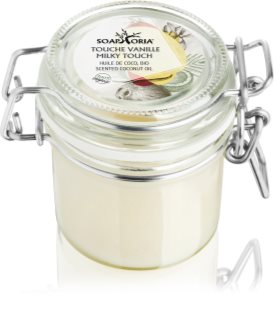
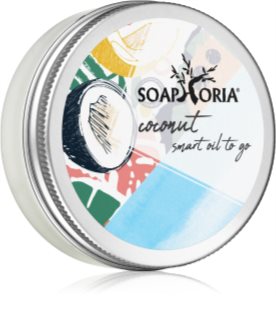
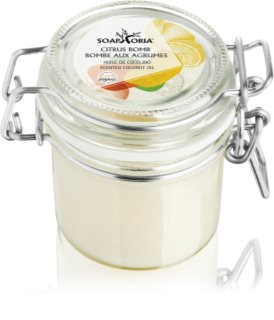
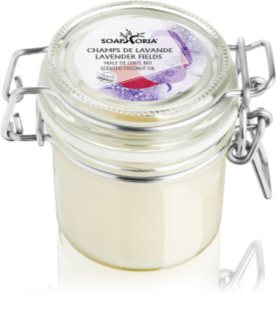
Coconut oil for hair, skin and body
Pamper your skin and hair with the natural miracle of coconut! With its versatility and pleasant fragrance, coconut oil is one of the most sought-after vegetable fats that care for our bodies inside and out. For its nourishing and softening properties, use coconut oil on stretch marks,, wrinkles, for massage, and after shaving. Learn how to reap all the benefits of coconut oil, and enjoy beauty rituals with the scent of the exotic!
Characteristics of coconut oil
Coconut oil (or coconut fat) is pressed from the dried pulp of the coconut or centrifuged from coconut milk. At temperatures below 25°C it is solid, while above 25°C it melts and becomes a liquid – coconut oil then starts to look more like the typical oils we are used to. In Asia, it is a fat commonly used in cooking. You can try coconut oil in the kitchen too – but make sure you buy a food-grade product. Cosmetic coconut oil is not suitable for consumption.
Coconut oil can also be used in your beauty routine. It is rich in antioxidants and contains vitamins A, C, E and B-group vitamins. It has antimicrobial and antibacterial effects, hydrates and nourishes. These characteristics make coconut oil a great tool in skin, hair, and even dental care.
Coconut oil: Effects
Coconut oil for hair
- It boosts the regeneration of dry and damaged hair.
- It helps prevent split ends, breakage and frizz.
- It restores shine and elasticity to damaged hair.
- It can easily handle a dry or itchy scalp, providing nutrients and hydration.
Coconut oil for skin
- It is ideal for treating dry or mature skin. It hydrates effectively and softens the appearance of wrinkles.
- It can take care of makeup removal, including waterproof makeup and mascara.
- It soothes red and irritated skin.
- It can also be used as a natural lip balm.
Coconut oil for the body and hands
- It is suitable for the treatment of dry and allergy-prone skin, as it softens and reduces itching.
- It is suitable for massaging scars and preventing stretch marks.
- It soothes and nourishes the skin perfectly after both sunbathing and being out in the cold.
- Coconut oil during a massage is good for relaxing the body and mind.
Coconut oil for teeth
- Thanks to the antibacterial effects of the lauric acid contained in coconut fat, it can be used to clean the teeth and detox the mouth.
- It helps prevent tooth decay.
- It helps in the treatment of mouth ulcers.
Coconut oil: Application
Coconut oil is a purely natural product, is easy to work with and is also well absorbed.
What is coconut oil used for on the face?
- Makeup removal using coconut oil: Spread the oil over your face and massage gently until all makeup residue is released. Then wipe your face with a warm, damp towel. Your makeup is now removed and your face is ready for cleansing and for the rest of your skincare routine.
- Coconut oil for skin at night: For intensive nourishment of dry or flaky skin, apply coconut oil at night instead of a night cream.
- Coconut oil for eyelashes and eyebrows: Brush your lashes with a brush dipped in coconut oil every night before bed. It works like a lash serum, which nourishes and strengthens them. Coconut oil can have similar effects on the eyebrows.
- Natural facial (and body) scrub: Mix coconut oil with sugar or coffee to make a paste. Massage the paste gently on the skin to remove dead skin cells.
How to use coconut oil on the body
- As a body oil: Always apply coconut oil to scars, stretch marks and dry patches of skin after a bath or shower. Massage it in gently and let it absorb.
- Coconut oil for the bath: Just put a teaspoon or two into the water, and a softening bath is guaranteed.
- Coconut oil after shaving: Works to soothe sensitive and irritated skin.
- Coconut oil on tattoos: With regular application, it regenerates your skin perfectly at the site of your new tattoo.
Coconut oil for hair: How to use
You can occasionally substitute coconut oil for your favourite conditioner or hair mask. In just a few minutes, it leaves hair deeply hydrated, strengthened and soft to the touch. How do you do it?
- As a conditioner: Melt 1–2 teaspoonfuls in the palms of your hands and apply the coconut oil to your hair after washing, when it is still damp.
- As a hair wrap: Gently heat 3 to 5 tablespoons of oil with a hairdryer and massage it into your hair all along its length. Then wrap your hair in an old towel or shower cap and leave it on for at least 2 hours. Then wash your hair properly with shampoo.
- If you have oily hair, apply coconut oil only from the middle to the ends.
How to use coconut oil on teeth
The ancient method of coconut oil pulling (gargling coconut oil) helps improve your daily dental care. Coconut oil binds bacteria, which is then released from the mouth more easily. At the same time, the oil forms a fine film on the teeth, which makes it difficult for further impurities and plaque to settle. How to do oil pulling
- In the morning, on an empty stomach, put a teaspoon of virgin coconut oil in your mouth and roll it around in your mouth for at least 10 minutes.
- Then spit out the oil and rinse your mouth with lukewarm water.
- Brush your teeth and tongue with a toothbrush without using toothpaste.
- Coconut oil pulling should only be used to supplement your regular dental hygiene, so don’t skip brushing with a high-quality toothpaste and toothbrush, interdental brush or single-tuft toothbrush.
Is it a good idea to use coconut oil on acne?
For acne-prone and oily skin, coconut oil is not the best choice because it is slightly comedogenic. It can therefore clog pores and cause acne. At the same time, it has antibacterial properties and some people swear by it for treating acne. So it depends on your skin’s unique needs as to whether or not coconut oil is right for you. But if you’d rather not take any risks, you’re better off opting for non-comedogenic cosmetics.
Is it safe to use coconut oil for sunbathing?
Coconut oil is not suitable for protection against sunburn – it has no UV protection factor. For protection, you should choose sun cream that contains SPF. But you can also apply coconut oil before and after sunbathing to soften sun-stressed skin.
Coconut oil: Organic, virgin, fractionated or refined?
- If you want pure coconut oil for all-purpose use, opt for the least processed product possible. These include cold-pressed virgin or extra virgin coconut oil. It is extracted from fresh, ripe coconuts, it is not exposed to high temperatures, and no substances are added during processing.
- In contrast, the label bio (or organic coconut oil) does not play such a big role, as coconut palms are only minimally chemically treated.
- Other popular types include fractionated coconut oil (MCT oil). This is an odourless and flavourless coconut oil that does not leave a greasy film, but retains all its beneficial properties. It’s great not only for oilier skin types, but also if you don’t like the smell of coconut.
- Refined coconut oil is treated with high temperatures. It has a neutral taste and smell, is not so easily burnt, and is also reasonably priced compared to other options. However, the high temperatures strip it of much of its active ingredients, so it is more suitable for cooking than for cosmetic use.
Treat yourself to a gentle caress with a tropical scent! Choose the best unscented coconut oil or coconut oil fragranced with lavender, citrus or flowers and pamper your skin, body and hair with the very best of nature.