

Vegan candles
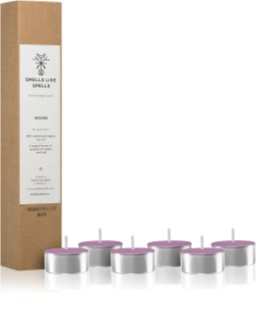
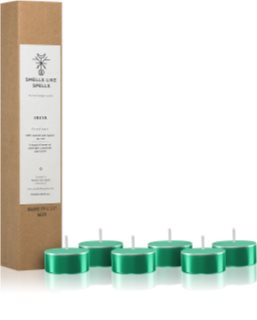
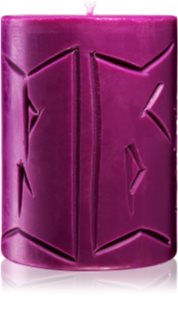
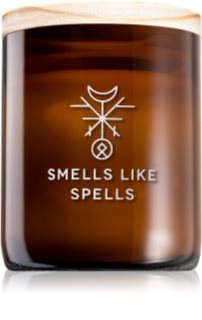
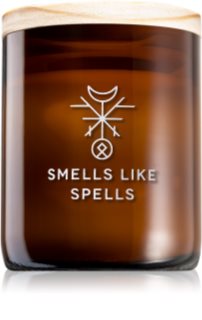
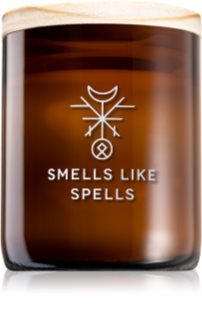
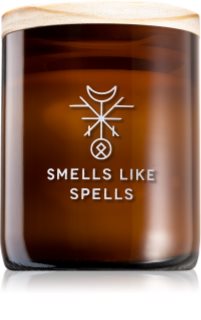
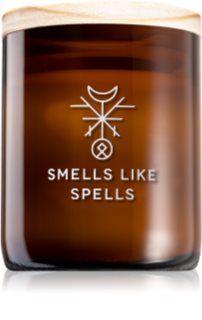
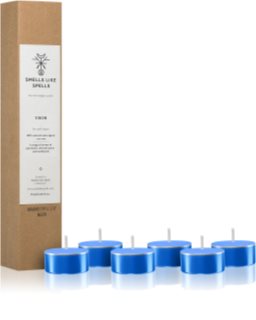
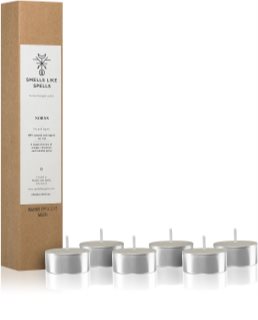
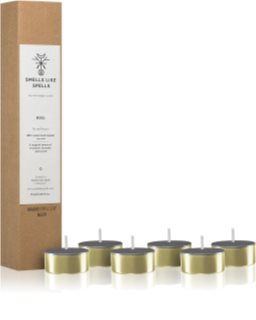
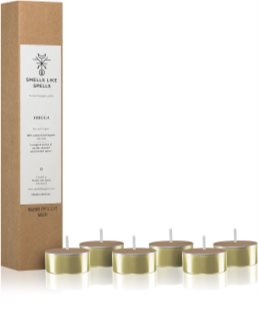
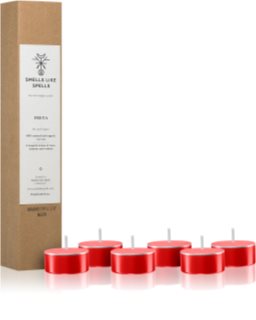
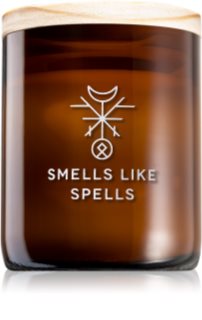
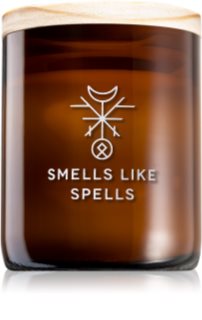
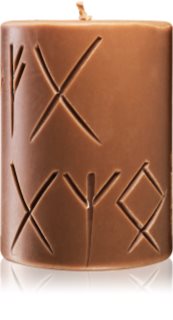
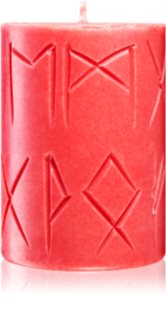

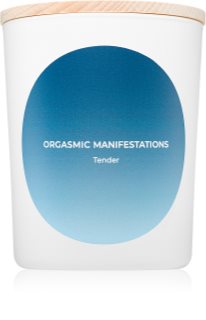
Soy candles and more: Discover vegan scented candles
A vegan candle is purely plant-based – it contains no ingredients of animal origin. Today’s technology allows us to make all kinds of products from plants – oftentimes just as good or even better than their animal-based counterparts. Buying vegan-friendly candles means you’re making sure no animals are hurt or exploited in the process of making your favourite products.
Is candle wax vegan?
You may be surprised to find that most candles aren’t made of beeswax anymore, but that doesn’t automatically make them vegan.
Beeswax
Beeswax is an ingredient used in candle-making for thousands of years. Beeswax is not considered vegan, as it’s an animal byproduct – although today beeswax candles are more of a novelty than the standard.
Paraffin wax
Nowadays, most candles are made using paraffin wax. Paraffin wax is a byproduct of petroleum, therefore it’s free of animal product – but there’s a catch. Paraffin wax on its own is translucent and soft to the touch. To make the candle opaque and to make it hold shape, stearic acid is added. This compound is most often derived from cattle, pigs, or sheep, making paraffin candles not-always-so-vegan-friendly.
Vegan soy wax candles, coconut candles, and more plant-based candles
Coconut wax
This wax is derived from coconut oil, which is a well-loved vegan ingredient. A coconut wax candle has a slow burn compared to paraffin, and it doesn’t produce nearly any soot, meaning there’s no danger of dark stains on your furniture. And don’t worry if you don’t like the smell of coconuts – on its own, coconut wax is odourless.
Soy wax
Soybean wax is made using soybeans – it’s basically soybean oil, which is solid at room temperature and melts when warmed up. Just like coconut wax, soybean candles produce little to no soot when burning and can distribute fragrance through large spaces quite easily.
Rapeseed wax
Rapeseed is a beautifully yellow plant used for its oils. Rapeseed wax candles burn slowly and evenly and can distribute fragrance really well.
A blend of vegetable-based waxes
A blend of two or three of the vegetable-based waxes is often used for candles as well. Coconut, soy and rapeseed, but also palm wax and more – there are lots of vegetable waxes suitable for candle making. A big, shared benefit of vegetable waxes is that they’re biodegradable and easily renewable resources.
Paraffin wax with coconut-derived stearic acid
Paraffin candles can be vegan, too. Strangely enough, stearic acid can also be derived from coconuts. Since the production of plant-based stearic acid is more complicated and costly, most companies opt for its cheaper, animal-derived counterpart.
The wick and packaging
The candle wick is most often made from cotton, or you can go for a wooden wick candle for a crackling sound that gives a fireplace-like atmosphere when burning. To make the wick hold its shape it might be treated or covered with beeswax or another animal-derived compound – but you won’t find such ingredients in a vegan candle.
Yes, even packaging can be non-vegan. The label and wick are held on by glue, which is often made using animal bones. Shockingly, even ink can be non-vegan.
Making sure which candle is and isn’t vegan can be really tricky. The best way to know for sure is to look for the vegan label. Luckily, we’ve sorted it for you! Shop the best vegan candles or choose your favourite vegan candle gift set on Notino.