

Eau de Parfum
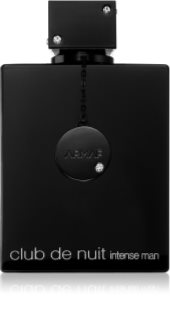
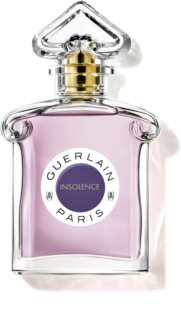
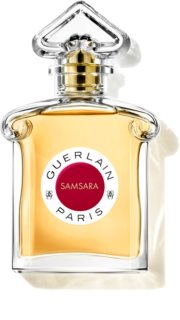
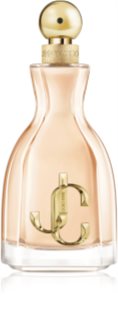
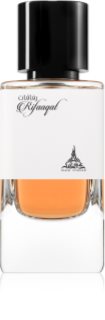
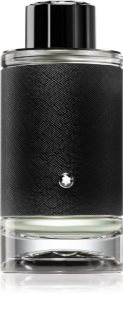
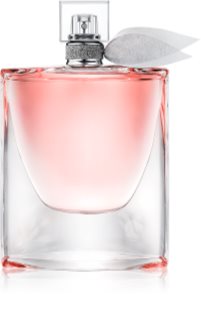
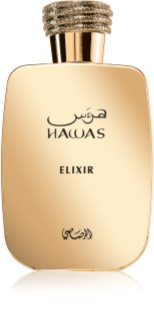
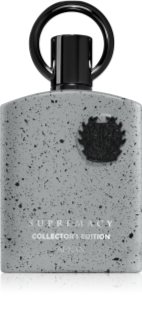
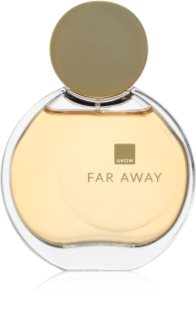
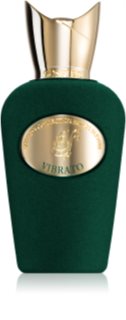
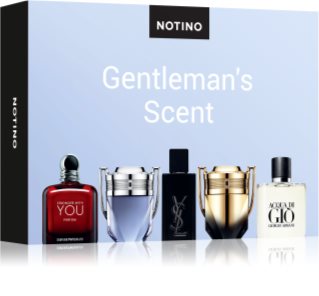
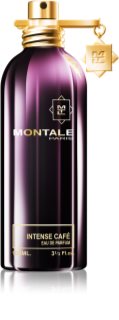
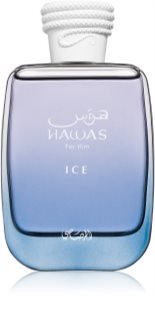
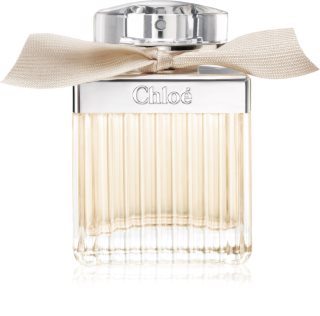
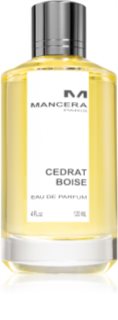
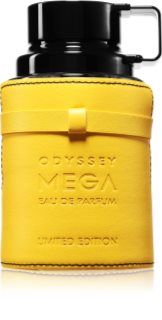
Eau de Parfum (EdP) – select a fragrance that highlights your personality
Whether you have an important meeting, a romantic dinner, or just want to treat yourself, the right fragrance is your best companion. Are you curious about what an Eau de Parfum is and how to choose the right one? Let’s jump right in.
Eau de Parfum - what is it?
Eau de Parfum (EdP) is the French term for “perfumed water.” The significance of this term lies in the fragrance’s concentration and longevity. An Eau de Parfum contains approximately 8–15% concentrated fragrance ingredients in alcohol and lasts on the skin for about 4–8 hours.
Why French, of all languages? It’s because France is considered the birthplace of modern perfumery. So in the world of fragrances, you’ll often come across French terminology.
An Eau de Parfum is perfect for evenings, special occasions, and the cold winter months. For those who prefer bolder fragrances, however, it’s a great choice for any occasion. Colloquially, Eau de Parfum is sometimes also simply referred to as “perfume”.
How long does Eau de Parfum last?
Generally speaking, both women’s and men’s Eau de Parfum lasts on the skin for about 4–8 hours. The longevity of Eau de Parfum depends on several factors.
- Skin hydration plays a major role—fragrances develop better and last longer on well-hydrated skin. For a more intense experience, you can apply a matching scented body lotion before spraying.
- The composition of the perfume itself is also important, as some fragrance notes are naturally more long-lasting, while others fade more quickly.
- The surrounding environment also affects the intensity and longevity of a fragrance. In cooler weather, the fragrance is released more slowly, while in warmer weather it may be more pronounced but also evaporates more quickly.
How do you use an Eau de Parfum?
Eau de parfum is used just like any other fragrance. It is best to apply it directly to the skin, as the fragrance notes react to body heat and gradually release and develop exactly as they should. Ideal spots are the so-called pulse points, where the skin is warmer due to strong blood flow—for example, the wrists, neck, area behind the ears, temples, or the crooks of the elbows.
Usually, 1–2 sprays are enough; any more might be too strong. If you apply the fragrance in the morning, you can reapply it in the afternoon to refresh it. But be careful not to overdo it—too strong a perfume could be distracting to those around you. To make the fragrance last longer, you can also apply it to your clothes.
What is the difference between a perfume, an Eau de Parfum, and an Eau de Toilette?
The difference between the various types of fragrances lies primarily in the ratio of fragrance oils, which affects both the intensity of the fragrance and its longevity on the skin.
Eau de Parfum vs. Perfume
True perfume (Parfum, Parfum Extrait) contains 15–30% fragrance essences, making it more intense and longer-lasting on the skin. Eau de Parfum contains 8–15% fragrance ingredients; it is not as strong, but still distinctive.
Save your signature perfume for exceptionally special occasions, such as a prom, a wedding, or a trip to the theatre. An Eau de Parfum is more versatile—it’s perfect for evening events, but you can also wear it during the day without hesitation if you’re looking for a more distinctive and long-lasting fragrance.
Eau de Toilette vs. Eau de Parfum
Eau de Toilette (EdT) contains 4–8% fragrant ingredients and has a lighter character and shorter longevity than Eau de Parfum. The difference between Eau de Toilette and Eau de Parfum is, once again, the concentration.
An Eau de Toilette is ideal for light, everyday wear—whether you're heading to work, school, or enjoying leisure activities—especially on warmer spring and summer days. On the other hand, choose an Eau de Parfum if you want your fragrance to be more intense and last longer.
How to choose the perfect Eau de Parfum?
When choosing an Eau de Parfum, let your personal style and preferences be your guide. Always test the fragrance on your own skin, as every perfume reacts differently depending on your skin type. Also consider the character of the fragrance based on when and where you plan to wear it.
Floral fragrances
Floral perfumes embody romance, tenderness, and femininity. They can be light and fresh like a spring meadow full of lilies of the valley, or rich and sensual like a bouquet of roses and jasmine.
Refreshing fragrances
Need to recharge your batteries and feel refreshed all day long, just like after a refreshing shower? Then reach for some fresh fragrances. They’re full of optimism, purity, and lightness.
- Aldehyde-based Eau de Parfums: Fragrances with distinctive fresh and sparkling notes.
- Aromatic Eau de Parfums: Fragrances with herbal, spicy, and fresh notes.
- Citrusy Eau de Parfums: Fresh fragrances with notes of lemon, orange, bergamot, and other citrus fruits.
- Aquatic Eau de Parfums: Light, fresh fragrances reminiscent of the sea air.
- Green Eau de Parfums: Fragrances evoking grass, leaves, and the freshness of nature.
Sweet fragrances
Sweet fragrances are like a delicious dessert you can enjoy without feeling guilty. They are playful, alluring, and cheerful.
- Gourmand perfumes: These fragrances feature notes reminiscent of food and sweet treats. You can detect notes of vanilla, chocolate, coffee, caramel, or honey, for example.
- Fruity Eau de Parfums: Sweeter fragrances with fruity notes such as raspberry, peach, or apple.
Warm and woody notes
Warm, woody fragrances are synonymous with elegance, mystery, and sensuality. They are deep and rich, leaving a lasting impression.
- Woody Eau de Parfums: Notes of sandalwood, cedar, patchouli, and other woods for an elegant and sophisticated fragrance.
- Spicy Eau de Parfums: Warm, spicy fragrances with spicy notes, pepper, and cardamom.
- Leather Eau de Parfums: Distinctive fragrances with notes of leather, tobacco, and wood.
- Oriental Eau de Parfums: Warm and sensual blends featuring vanilla, resin, and other spices.
Complex fragrances
For true connoisseurs and lovers of timeless classics, there are fougère and chypre fragrances. These are complex, sophisticated compositions that are not influenced by short-lived trends.
- Fougère Eau de Parfums: Ferny and grassy fragrances that are popular primarily with men.
- Chypre Eau de Parfums: Fragrances with notes of oakmoss, patchouli, and bergamot—very elegant.
These fragrance families are often combined—for example, floral-fruity, chypre-woody, or oriental-spicy perfumes—to offer a variety of fragrances for different occasions.
An Eau de Parfum for Everyone
- An Eau de Parfum for women highlights femininity and elegance.
- An Eau de Parfum for men that evokes strength and charisma.
- A unisex Eau de Parfum breaks down gender barriers and offers versatile fragrances that suit everyone.
Tip: If you're looking for a practical way to reduce waste, choose refillable perfumes. Refillable perfumes can be refilled repeatedly, helping to protect the environment.
Discover your perfect fragrance from Notino's selection.